
PVC Flexible Conduits Provide Safety for Electrical Wiring Over Their Lifetimes
PVC flexible conduits improve safety when installing electrical wiring. Every type of building requires cables to be protected from getting damaged. Without sufficient protection, wiring degrades and, over time, can become a fire hazard. Many older buildings do not have their wiring sufficiently protected, creating a safety hazard. For these reasons, many electricians have stopped installing rigid metal pipes and instead use flexible PVC options. This article examines these options for residential, commercial, and industrial use.
What are PVC flexible conduits?
The purpose of a conduit is to protect a cable. Unlike rigid pipes, flexible PVC conduits bend. This allows them to be used to protect wiring in new construction and renovation projects. They are also lightweight, inexpensive, and easy to work with on-site, as they can be easily cut to length. They are a much easier option than metal pipes for an electrician to install. For these reasons, PVC flexible conduits are used for most lower-complexity wiring.
The Benefits of Flexible PVC Conduits for Safe Wire Installations
The failures that result in most wire/cable failures are not often caused by faulty cable as much as they are caused by lack of proper protection. As a result, the protection around the cable is of equal importance and is therefore of great concern. Flexible PVC conduits actually do an excellent job of protecting wire insulation from damage caused by rodents, dust, and other impact-related damage during the installation and service life of the electrical system. Buildings that utilize quality conduits are much less likely to need unexpected repair in the future. As a result, many property owners view the cost of conduit installation as a good investment.
Great Work with PVC Conduits
For fire safety, a lot of PVC conduits used for wiring meet standards for self-extinguishing. This means that PVC conduits tend to stop spreading flames if there is a short circuit. Because of this safety feature, if PVC conduits are used in a structure, the fire risk for that structure will decrease. This is particularly relevant for structures with a lot of wiring (such as a server room or a commercial kitchen) because a small safety margin can avoid a large loss.
Good for Installation
Since installers often carry materials to higher floors or through small roof spaces, lighter weight conduits also matter. In comparison to steel or galvanized pipes of the same size, PVC conduits are very lightweight. This feature reduces the time it takes to complete a job and requires less effort for the transport team. For PVC conduits, a lot of the transport costs are reduced, so it often costs less for the client.
PVC Flexible Conduits vs Metal Conduits
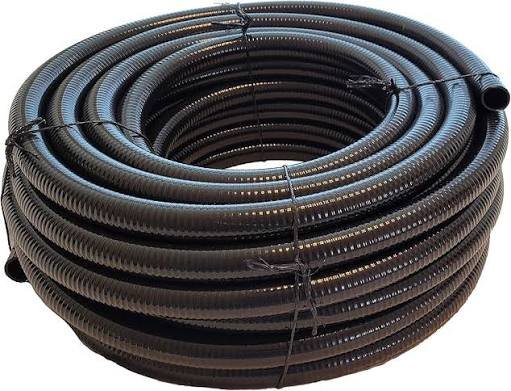
Metal conduits have their strengths. However, to the disadvantage of the consumer, they rust, are not the best option when cost consideration is important, and are time-consuming when it comes to the installation process. In comparison, PVC flexible conduits have the balance of strength and durability at an affordably small fraction of the cost. For most of the jobs that fall within the residential and commercial sectors, PVC is the more economical choice. Metal has its place in high-impact zones, but for basic wiring and cabling needs, PVC meets most of the market’s demands.
Cost Benefits Over the Long-Term
While it is important to know how much each type of material costs initially, the total price of a job is a combination of the materials and labor time. It is true that, because of the nature of metal to corrode, metal conduits can require costly replacements after a few years. PVC, however, is built to be low maintenance and will actually save you money in the long run in both labor costs and material costs.
Low Maintenance
The nature of metal to corrode is the reason the systems deteriorate over time. PVC doesn’t corrode, so again, the systems will last longer and require less maintenance. It doesn’t just help landlords avoid costly repairs; it also reduces tenant disruptions, which benefits landlords and property managers.
Where to Find PVC Flexible Conduits Working Best
Not all wiring projects have equal constraints and flexibility when it comes to budget. However, installers can use PVC flexible conduits in various situations while keeping costs relatively low.
They are in high demand all across East Africa in the residential and industrial sectors. In the sections that follow, we describe some of the best places to see PVC flexible conduits in action.
Residential Wiring Projects
Conduits for use in homes must fit in tight spaces within walls and ceilings and between utility spaces. PVC flexible conduits don’t require any special tools for bending around studs and pipes. In addition, PVC is a non-conductor of electricity, creating a physical barrier that is a nice safety feature near live electrical wiring. PVC flexible conduits are a favorite for new house wiring in Nairobi and for the rewiring of old houses.
Commercial and Office Projects
Flexibility and ease of rerouting are features that make PVC flexible conduits favorites for use in renovated spaces such as offices and other commercial facilities. In addition, installers can easily run PVC flexible conduits behind walls and false ceilings, keeping offices neat and professional while protecting wiring from damage.
Industrial Environments
In an industrial setting, warehouses and factories subject wiring to chemicals, dust, and impact from heavy equipment daily. PVC conduits hold up over time in the presence of corrosive chemicals when compared to metal. They also handle impacts from vehicular and foot traffic. PVC is a good option for wiring in industrial settings with harsh conditions. Some industrial locations still use PVC conduits in combination with metal in the more dangerous areas.
Common Mistakes to Avoid When Installing Conduits
Poor installation can cause even good materials to fail. An overfilled conduit poses a potential hazard for conduit overheating and a difficult repair. The lack of support clips also poses a problem for conduits, as they will begin to sag and/or crack over time. Follow the manufacturer-recommended fill ratio and support the conduit at recommended intervals. This greatly reduces the risk of costly repairs.
Choosing Quality PVC Conduits
Cheaper PVC conduits can be a false economy, as they might begin to crack and become brittle in just a few years. Quality PVC conduits will stand up to heat. Always look for a safety certification printed on the packaging or the conduit itself. It is worthwhile to pay more up front and get certified conduits, as they protect your investment.
Final Thoughts
PVC flexible conduits offer a practical mix of safety, flexibility, and cost savings for most wiring jobs. They resist moisture, handle tight spaces, and lower long-term maintenance needs across homes and businesses. For most residential, commercial, and industrial wiring jobs, they remain a smart default choice. Choosing certified, quality conduits and installing them correctly ensures that protection lasts as long as the wiring itself.
